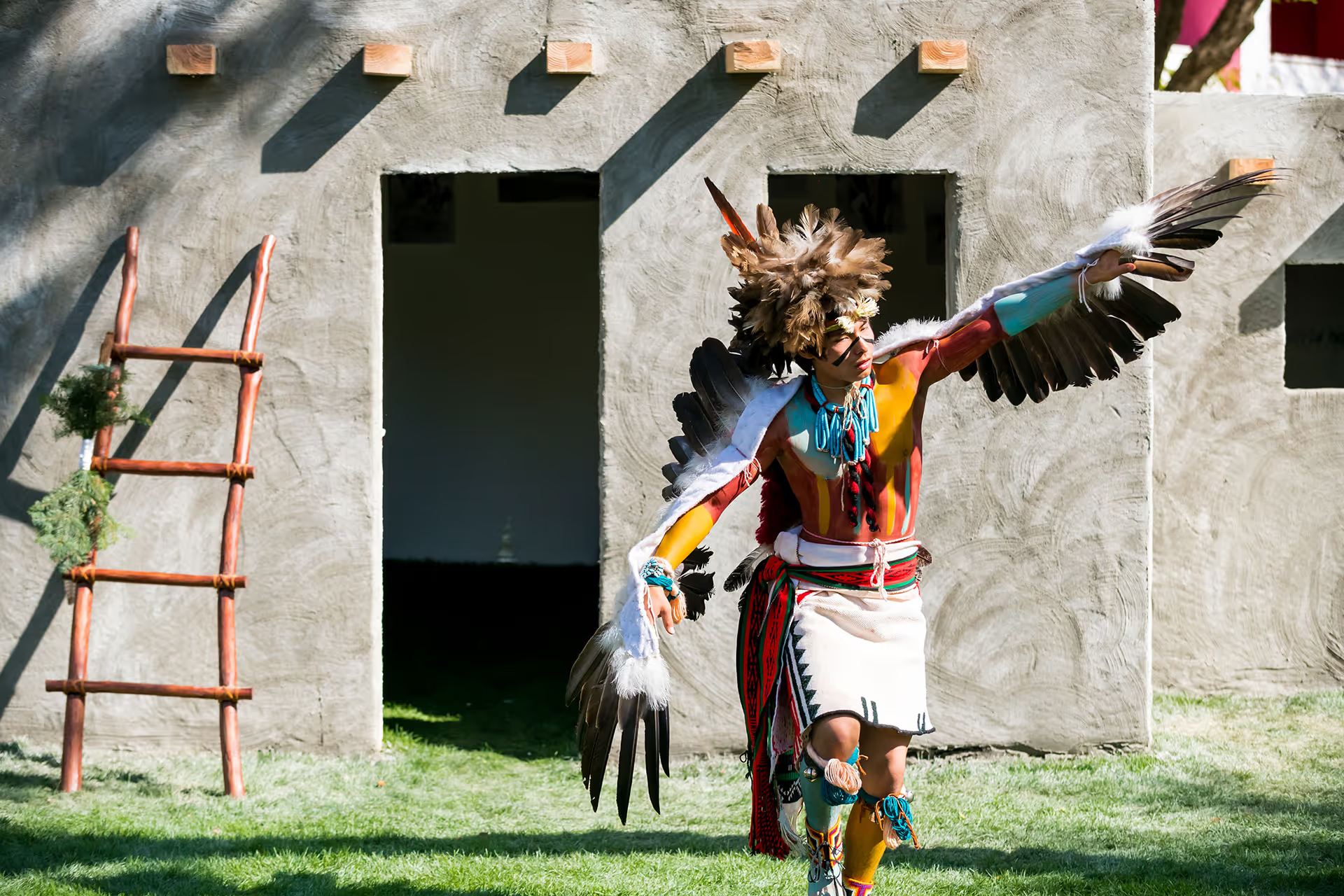
More than 12,000 years ago, Indigenous people inhabited the lands that eventually became what we now call Arizona. Today, 22 American Indian communities preserve their cultures and traditions on tribal land that accounts for a quarter of the state, from the flood plains of the Colorado River to the lush Sonoran Desert in Southern Arizona. And in many cases, these communities invite visitors to learn about and experience their traditions through cultural tours, local guides, art festivals, ceremonies and more. It’s a meaningful way to engage with the native communities whose influences have shaped Arizona for thousands of years.
Tribes in Arizona
There are 22 federally recognized AmericanIndian tribes in the state:
- Ak-Chin Indian Community
- Cocopah Tribe
- Colorado River Indian Tribes
- Fort McDowell Yavapai Nation
- Fort Mojave Indian Tribe
- Fort Yuma-Quechan Tribe
- Gila River Indian Community
- Havasupai Tribe
- Hopi Tribe
- Hualapai Tribe
- Kaibab Band of Paiute Indians
- Navajo Nation
- Pascua Yaqui Tribe
- Pueblo of Zuni
- Salt River Pima-Maricopa Indian Community
- San Carlos Apache Tribe
- San Juan Southern Paiute Tribe
- Tohono O’odham Nation
- Tonto Apache Tribe
- White Mountain Apache Tribe
- Yavapai-Apache Nation
- Yavapai-Prescott Indian Tribe
Touring Tribal Lands with an American Indian Guide
Get firsthand knowledge with an American Indian guide. Not only will traveling with a guide grant you access to areas usually off-limits to visitors, but you’ll also gain cultural and historical insights you’d otherwise miss. Tribal lands recommended to tour with a guide include:
- Antelope Canyon
- Canyon de Chelly National Monument
- Hopi Arts Trail
- Monument Valley Navajo Tribal Park
Touring Tribal Lands on Your Own
Several tribal lands require a permit to visit, and the procedures for obtaining a permit vary among communities. Elsewhere, tribal lands in Arizona include wide-open backcountry—and the chance to explore via hiking, rafting, backpacking and even horseback riding.
Learn Permit Rules for Arizona Tribes
Many tribes operate museums and cultural centers that are open to the public, excellent options for travelers interested in the history, art and heritage of Arizona’s22 tribes. A few to consider:
- Amerind Museum near Benson
- Arizona State Museum in Tucson
- Hopi Cultural Center in Second Mesa
- Museum of Northern Arizona in Flagstaff
- Navajo Nation Museum in Window Rock
Visit Museums & cultural centers
Many tribes operate museums to share their traditions with visitors. The Navajo Nation Museum, Hopi Cultural Center and other cultural centers throughout the state are excellent options for travelers interested in history, art and culture. Internationally known museums also preserve the heritage of the state's tribes.
Heard Museum in Phoenix showcases stories inclusive of all Native American tribes in the state and hosts the annual Native Fair & Market and World Championship Hoop Dance Contest. The Museum of Northern Arizona in Flagstaff focuses on the high-desert and Colorado Plateau tribes, with artifacts and contemporary collections representative of Navajo, Hopi, Zuni, Apache, Pueblo and Havasupai tribes. Arizona State Museum in Tucson and Amerind Museum in Dragoon preserve the artistic heritage of Southern Arizona's native cultures.

Before you go
Access to tribal lands differs among the Native American communities in Arizona. Many tribes welcome visitors to experience their cultural ceremonies, while others limit visitation to commercial areas. When visiting, remember the following:
- Each reservation operates under its own government and its own rules for visitors.
- Sacred areas and graveyards are restricted areas and are not open to the public.
- Alcohol is not tolerated except in designated areas such as casinos.
- Protecting the integrity of Arizona’s tribal lands and iconic natural beauty is more important than ever. Follow these seven principles to leave no trace as you explore.
Research the tribal land you plan to visit before your trip to make sure your group respects specific regulations pertaining to taking photos and attending ceremonial events.
Information on purchasing authentic arts and crafts is available from the American Native Arts and Craft Board and the American Native Arts and Crafts Association. For specific information, contact the individual tribe(s) prior to your visit.
tips for traveling on Tribal lands
ROAD CONDITIONS
All U.S. highways, state roads and main tribal roads are paved. Secondary roads are usually graded and graveled; however, travel off recognized and numbered roads is strongly discouraged. Inquire locally about road conditions.
SERVICE
Keep your gas tank full, and be sure to check fluid levels. It can be a very long way between service stations.
WEATHER
Tribal lands in Arizona stretch across the state — so be prepated. Winters in Northern Arizona can produce snow six feet deep. Summer temperatures climb more than 100 degrees in many areas. After hard rains, normally dry washes often become roaring streams from storms that are miles away. Never attempt to cross a running creek. Some areas (usually marked with warning signs) are prone to dust storms. If caught in a dust storm, try to find a place to get off the road.
Touring Tribal Lands in Arizona
From cultural etiquette to tour suggestions, here's everything you need to know about visiting the many tribal communities in Arizona.
How to Buy American Indian Arts and Crafts
Visitors to any of the 22 tribes in Arizona have a wonderful opportunity to buy handmade work directly from the artist or an approved retailer. But how do you know if you're purchasing authentic American Indian goods?
.avif)