
Conjure up images of people connected with Route 66 and men often come to mind. Think: Dad behind the wheel of the family station wagon, George Maharis and Martin Milner in the TV show "Route 66" and Peter Fonda’s Captain America in "Easy Rider."
In truth, women — real ones, not fictional — had a huge influence on the history and culture of what is aptly called “the Mother Road.” Here are just a few of the Arizona women who put Route 66 into drive.
Harvey Girls
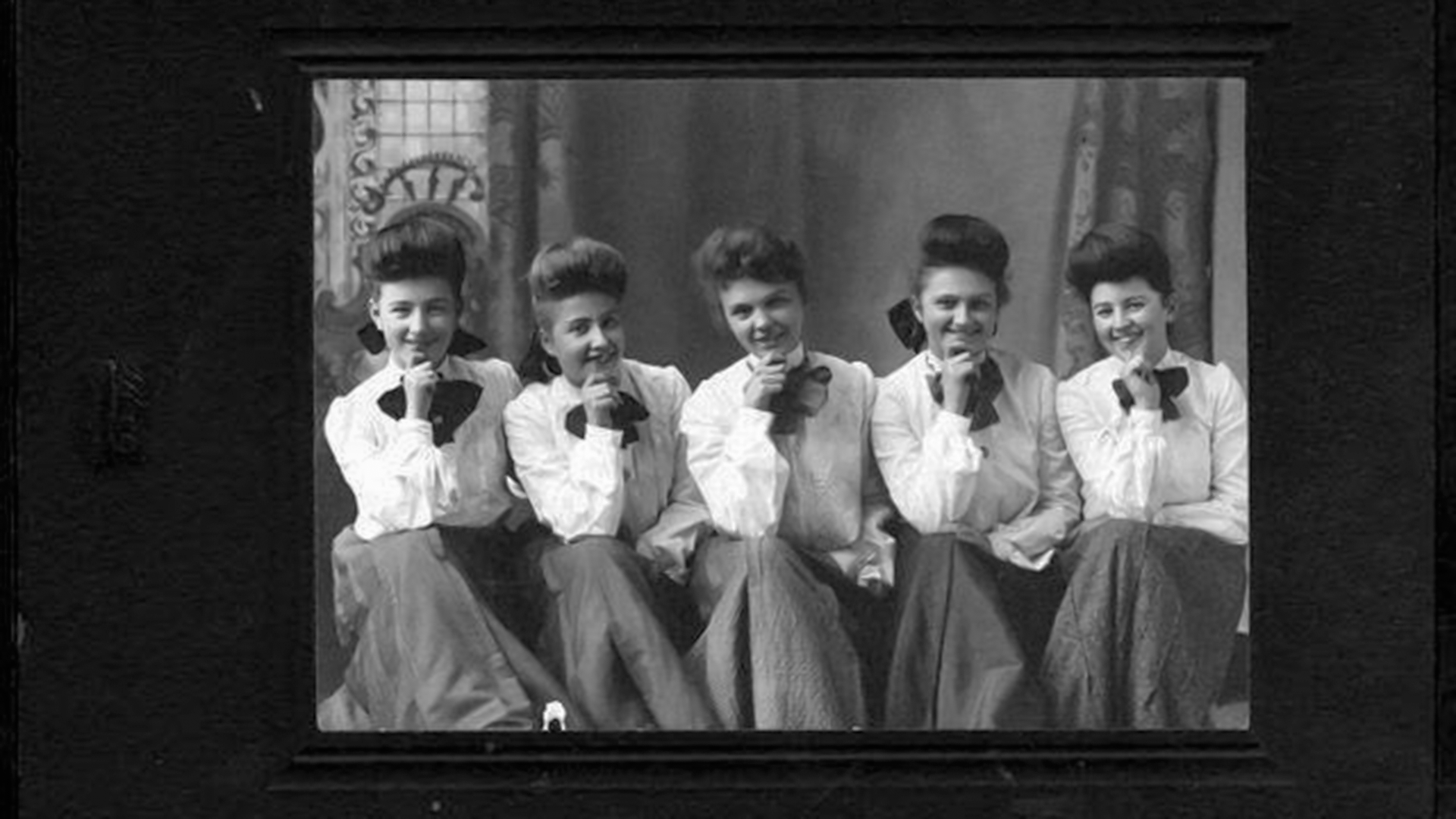
Beginning in the late 1800s, hospitality entrepreneur Fred Harvey partnered with the Atchison, Topeka & Santa Fe Railroad to build a chain of restaurants and hotels from the Midwest to California to serve the burgeoning rail tourism industry. He selectively hired single women “of good character” to serve as waitstaff at these hospitality destinations, creating an all-women workforce.
Along Route 66 in Arizona, the “Harvey Girls,” as they became known, wore spotless, starched black and white uniforms and were meticulously trained for their jobs at legendary spots such as La Posada Hotel in Winslow, El Tovar and Bright Angel Lodge at the Grand Canyon, and the Painted Desert Inn near the Petrified Forest, all the while gaining independence — both personal and financial — and experiencing adventures throughout the Southwest.
Mary Colter
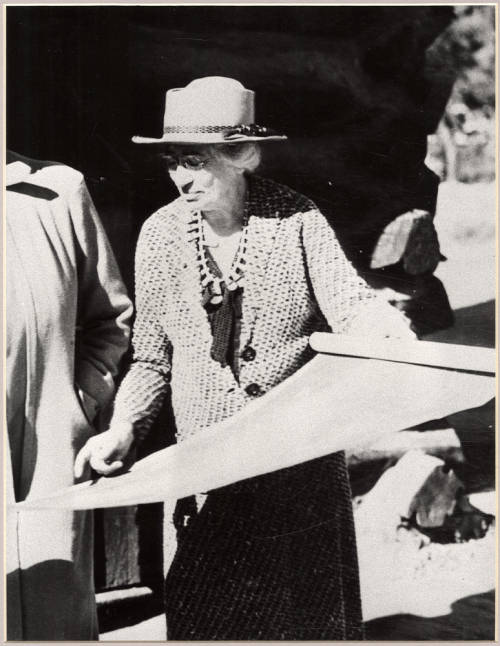
As Fred Harvey’s in-house architect, Mary Colter designed and remodeled many of the landmarks where the Harvey Girls worked, including La Posada, Bright Angel Lodge and the Painted Desert Inn.
Colter was one of the rare women in the profession during the early 20th century, crafting iconic buildings at the South Rim of the Grand Canyon, including Hopi House and Desert View Watchtower, and pulling inspiration from materials native to the Southwest as well as American Indian art and structures.
Isabella Greenway
Marriage brought Kentucky-born Isabella Greenway to Arizona, where she evolved into a social and political activist, becoming Arizona’s first congresswoman in 1933. She owned a ranch in Williams near Route 66, which, at the time, was largely unpaved and often treacherous, especially during heavy rains. Greenway helped push through legislation to pave the roadway. By 1938, it became the first highway in the United States to be fully paved, stretching 2,448 miles from Chicago to Santa Monica.
The Delgadillo Women

Seligman’s Angel Delgadillo might beknown as the guardian angel of Route 66 for his efforts in founding the Historic Route 66 Association of Arizona in 1987, but the women in his life have also been significant figures in the highway’s history.
Sister Luz Delgadillo Moore was a Harvey Girl who played piano in the family’s dance band at gigs up and down Route 66. Vilma Delgadillo, Angel’s wife, helped with efforts to recognize the highway’s history and operated the couple’s eponymous gift shop. Today, their daughter Mirna Delgadillo runs Angel and Vilma Delgadillo’s Original Route 66 Gift Shop — a store that doubles as a love letter to Route 66 and continues to promote the lore and lure of the highway.
Linda SooHoo
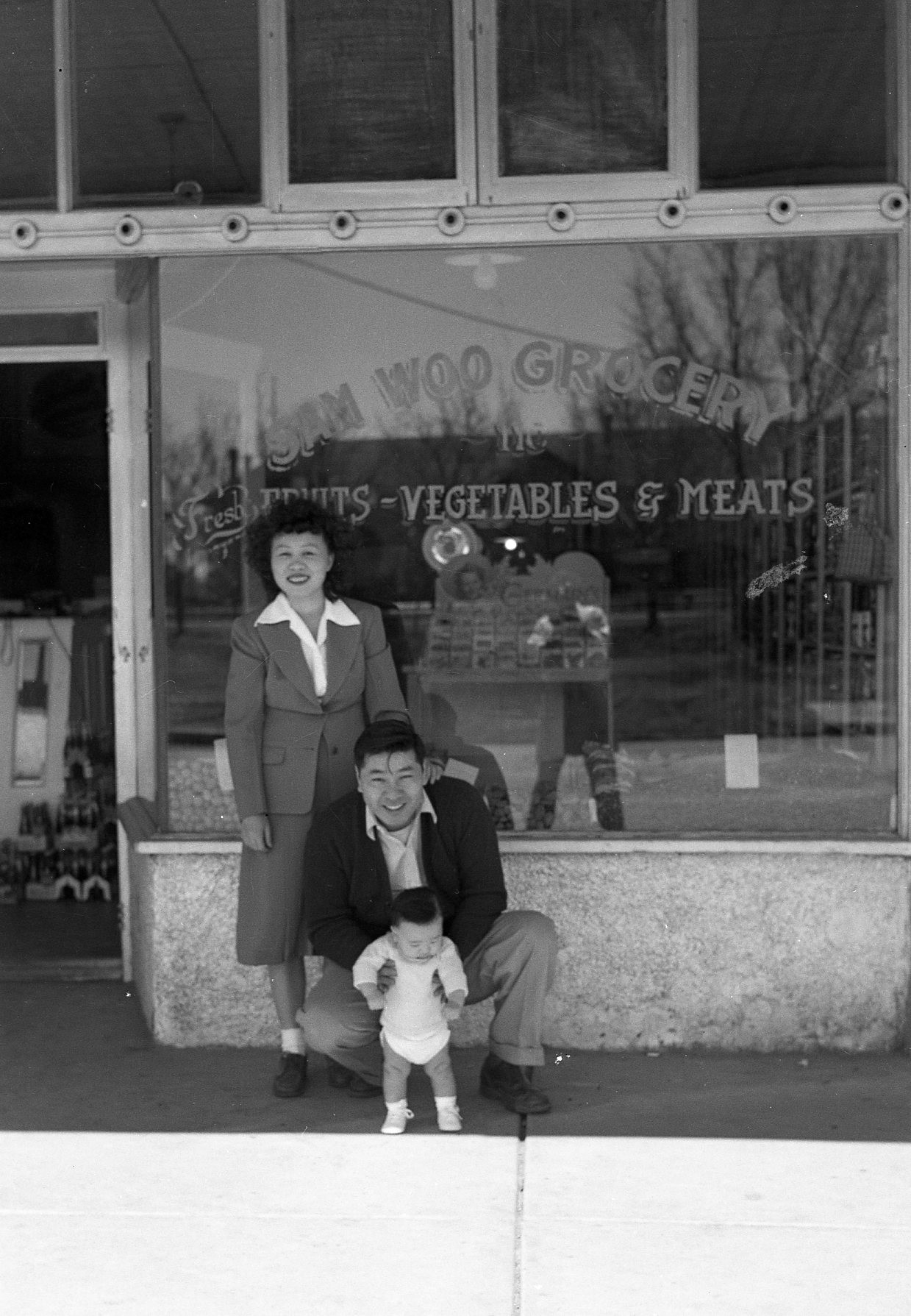
Born in Canton, China, Linda SooHoo came to Winslow in 1947 via an arranged marriage to Fred SooHoo.
She learned English by sitting ina sixth-grade class; soon she and Fred were running several businesses, including a laundromat and an eatery.
Within a few short years, Linda SooHoo had mastered the art of making burgers, fries and tacos at the couple’s restaurant, Freddy’s Drive-In along Route 66, creating a popular tourist stop and epitomizing the American dream.


Arizona Office of Tourism
These articles are brought to you by the staff of the Arizona Office of Tourism, and occasionally local tourism organizations around the state.


.avif)