Loud cheers erupt as masked wrestlers launch themselves through the air, flipping off ropes in a blur of color and motion. The crowd roots for both villains and heroes in support of intricate story threads and layers of lore that have flourished before wrestlers even step into the ring.
This is lucha libre: freestyle wrestling that blends athleticism, storytelling and centuries of tradition into one unforgettable spectacle.
Lucha libre translates to “free wrestling” — and it’s much more than a sporting match. It is a theatrical performance filled with daring aerial moves, heroic showdowns and masked characters who become living legends. Its influence can be found throughout Arizona, from live matches to imagery that celebrates the sport’s storied spirit.
A Sport Born from Tradition & Spectacle
Lucha librecame about when masked wrestlers — a nod to covered roosters in cockfighting — emerged in Mexico in the 1920s, and the sport grew in popularity with the arrival ofpopular masked American wrestler La Maravilla Enmascarada.
The masks became a selling point when match promoters realized the mystery of a hiddenidentity draws a crowd, especially with the additional temptation that a maskedwrestler would reveal themselves only if defeated. From there, lucha libre evolved into a blend of sport and performance art.
Unlike traditional wrestling styles that rely heavily on strength and grappling, lucha libre is famous for its acrobatics. Luchadores (male wrestlers) and luchadoras(female wrestlers) soar off the ropes, hurling toward their opponents inbreathtaking maneuvers that may resemble a circus performance, but are actually calculated, complex acrobatics that take years — and sometimes generations — to master.
Some bouts are one-on-one, while others involve a tag-team style of three- or four-member teams, including popular trios. With more wrestlers in the ring, theaction moves quickly, blending acrobatics, quick tags and choreographed chaos that keeps spectators’ eyes darting from corner to corner.
The Meaning Behind the Masks
The most iconic symbol of lucha libre is the mask.
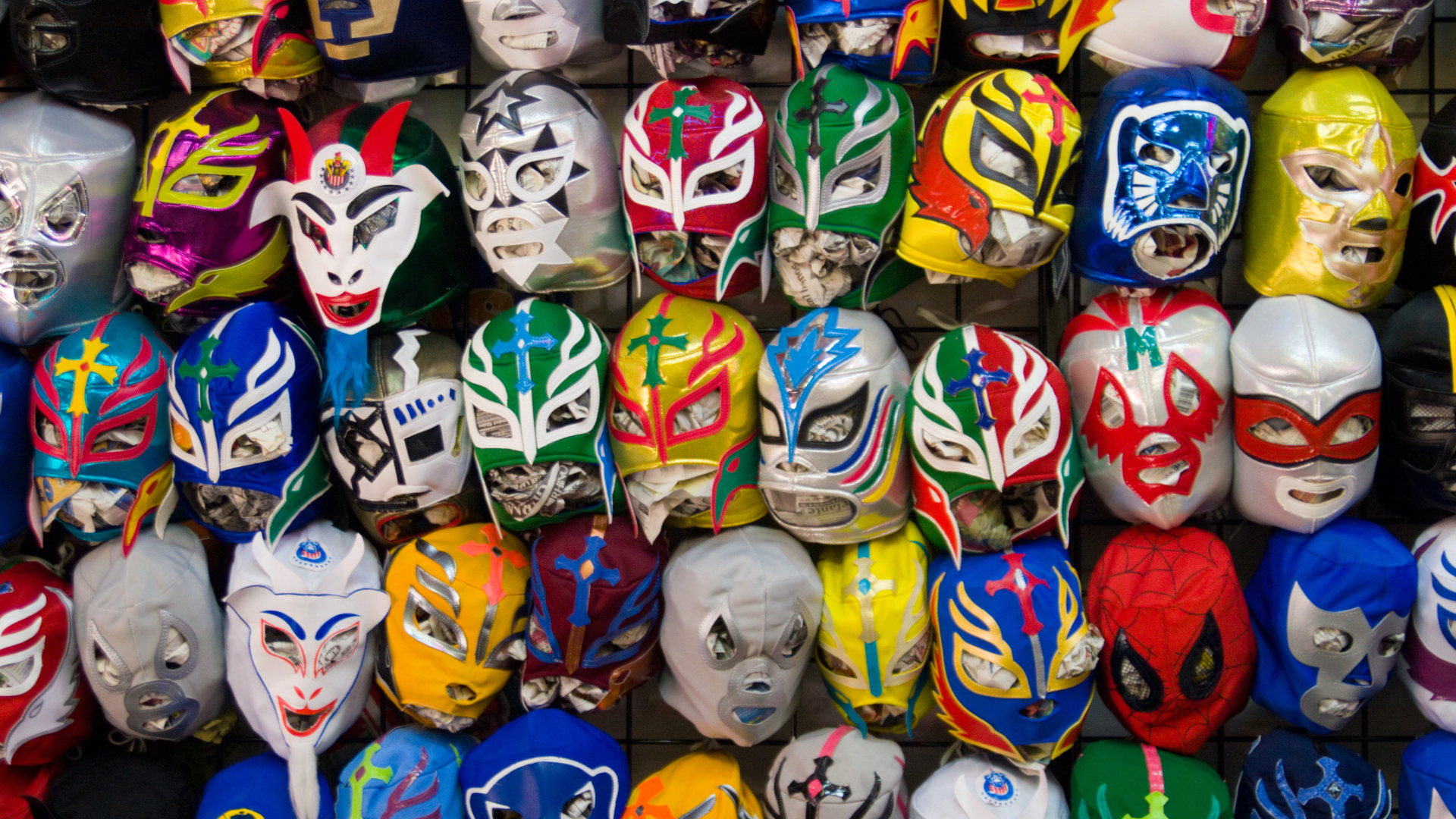
Masks have been used since the beginning of lucha libre and hold historical significancein Mexico, dating to the Aztec era. Early versions were simple in design, evolving into vibrant works of art showcasing bold colors, animal motifs and mythical archetypes. Each mask represents a persona the wrestler takes on, for example, a tiger-masked luchador may use quick cat-like moves and come into the ring claws bared.
The mask can be considered sacred, and its loss can mean different things of varying severity. In the most extreme cases, removing an opponent’s mask is a sign of deep disrespect — and is grounds for immediate disqualification. Many masked luchadores go to great lengths to protect their true identities, never appearing in public unmasked. On the less-severe end, losing a mask can mark the end of a character, gimmick or even a lucha libre career.
Some of the most dramatic bouts are known as luchas de apuestas, or “matches of wagers,” where wrestlers put their masks, hair or even careers on the line. Losers may exit the ring shaved bald, revealed or never to return to the sport.
Heroes, Villains & Wrestling Dynasties
Every lucha libre match tells a story — and the drama has layers.
Mexican luchadores can come from extended wrestling dynasties, with generations stepping into the ring and forming their own groups, or stables. These family ties create built-in rivalries, alliances and legacies that fans follow for years.
Luchadores are traditionally divided into two categories, rudos (“tough guys”), who bend or break the rules, and técnicos (the “good guys”), who play by them. Don’t count the rudos out, however — they’re still expected to live and perform by the luchador code of honor, making lucha libre as much about respectand tradition as it is about showmanship.
Much like in lucha libre’s early days, promoters play up the storytelling aspect — will técnico beat rudo? Will rudo go too far defying the rules? Perhaps a rudo will decide to switch allegiances and become a técnico. Put it all together, and lucha libre feels less like a single event and more like an ongoing, high-energy saga.
Lucha Libre’s Influence in Arizona
Arizona’s Hispanic population and the state’s proximity to Mexico have helped keep lucha libre’s cultural influence strong.
In Phoenix, organizations like Lucha Voz host events throughout the year, bringing in international wrestling talent with experience in leagues like WWE, Lucha Underground, Major League Wrestling and Mexico’s Lucha Libre AAA. Traveling shows and events also frequently make their way through Arizona, offering visitors a chance to experience the thrill of lucha libre, complete with aerial acrobatics, colorful masks and gripping storytelling.
Beyond the ring, lucha libre imagery has become part of the broader cultural landscape.You may spot mask-inspired art, designs and souvenirs around the state, reflecting the sport’s connection to Mexican heritage and the Southwest.
In 2012, the Arizona Diamondbacks began lucha libre-themed promotions, including wrestling masks in the team’s signature red and black colors, which became wildly popular. The following year, the Diamondbacks unveiled D’backs Luchador as an official mascot.
Luchador masks are frequently found in shops throughout the state, but be careful with the responsibility that putting it on may come with — rudo or técnico? Good or bad? Which persona to embody? Are you prepared to lose your hair?


Ivy Morris
Ivy Morris has lived in Tucson for the past five years. If you happen to sit next to her at a bar and mention you're from out of town, prepare for recommendations on where to eat and what to do.